Garage Solutions of Arizona Logo Queen Creek Arizona

Garage Solutions of Arizona

Take Back Your Garage

480-992-9844 Get a Quote
  • Garage Cabinets
    • Metal Garage Cabinets
  • Garage Shelves
    • Shelving Accessories
    • Garage Workbenches
    • Garage Ceiling Storage
  • Epoxy Garage Floor
  • Projects
  • About Us
    • Reviews
    • Blog
    • Get a Quote
  • Contact

The Perfect Garage Workshop: Tools, Layout, and Storage Tips

Home | Archives for Ryan Call | Page 3

garage workshop tips

If you’ve ever dreamed of having your own dedicated workspace for woodworking, auto repairs, or DIY projects, your garage is the perfect place to make it happen. With the right setup, you can transform even a modest space into a functional workshop that keeps your tools organized and your creativity flowing. 

1. Plan Your Layout Around Workflow

Before you start moving heavy equipment or installing storage, take time to plan your layout. Think about how you’ll move between key areas, such as your workbench, tool storage, and materials station. 

Measure First — Take accurate measurements of your garage and note where outlets, windows, and doors are located before deciding where to place work areas. 

Create Zones — Designate separate areas for different activities, such as a workbench for projects, a tool storage area, and a separate zone for seasonal gear. 

Consider Accessibility — Place your most-used tools and supplies within easy reach of your main workspace. 

Add Lighting — Add bright overhead LED lighting and task lights over benches to reduce shadows, improve safety, and enhance precision. To take advantage of natural light during the day, position your workstation close to the window. 

If your garage doubles as a parking or storage area, consider mobile workbenches and foldable tables that you can easily move out of the way when not in use. 

2. Must-Have Tools for a Garage Workshop

The tools you need depend on the type of work you do, but there are some essentials that every workshop will benefit from:

Workbench — A workbench is a sturdy, flat surface that typically functions as the heart of your workspace. 

Power Tools — Start with basics like a drill, circular saw, jigsaw, and sander. 

Hand Tools — Keep a quality set of screwdrivers, hammers, pliers, wrenches, and measuring tools. 

Safety Gear — Always have safety glasses, a flashlight, hearing protection, gloves, a first aid kit, and a fire extinguisher close by. Make sure your fire extinguisher is rated for electrical and chemical fires. 

As you start to work on more complex and advanced projects, you can add specialized tools like a table saw, miter saw, or air compressor. 

Garage Solutions of Arizona Garage Cabinets Queen Creek Arizona

3. Maximize Storage and Organization

Keeping your garage workshop organized not only saves time but also makes it safer and more enjoyable to use. 

Wall Storage — Use pegboards, slat walls, or magnetic strips to hang tools within easy reach. 

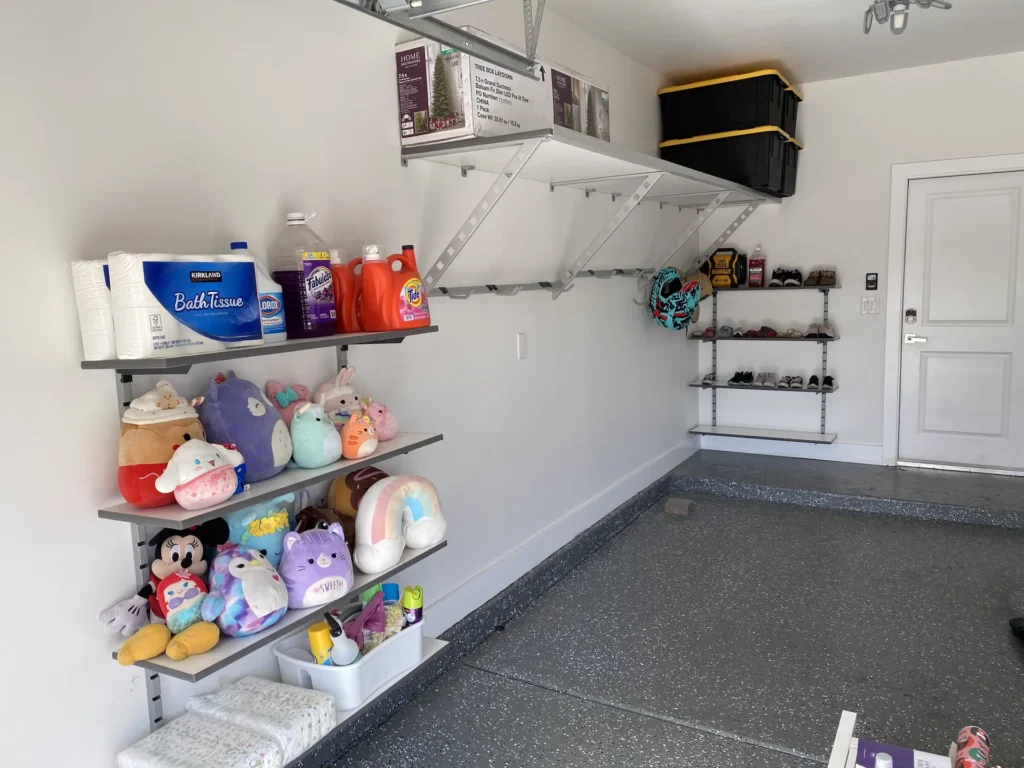
Cabinets and Shelving — Store bulkier items and materials in labeled bins or drawers on shelves or in cabinets. 

Overhead Racks — Take advantage of underutilized ceiling space by installing overhead racks for infrequently used items or seasonal storage. 

Rolling Tool Chests — Rolling tool chests help you keep your most-used tools mobile and neatly organized. 

Tip: Use clear containers or label everything, so you spend less time searching and more time building, and store items you use most at eye level for easy access. 

4. Don’t Forget Comfort and Safety

A good workshop isn’t just efficient — it’s comfortable and safe. To transform your garage into the ultimate workman retreat:

  • Add anti-fatigue mats if you’ll be standing for long periods. 
  • Maintain good ventilation, especially if you’re working with paints or solvents. 
  • Keep cords and clutter off the floor to prevent tripping hazards. Consider investing in retractable cord reels. 
  • Keep a shop vacuum, air filter, and dust masks nearby to control dust levels and maintain air quality. 
  • If you have kids running around, make sure you keep power tools and other dangerous items out of easy reach. 
  • Keep the floor free of clutter and clean up spills, melted snow and ice from cars, and sawdust.
  • Have rags, a mop, a broom and dust pan, a garage bin, and spill absorbent handy to help you maintain a safe, clean, and comfortable environment.

Consider other small upgrades, like a fan, mini-fridge, or sound system, to make your workshop a more enjoyable place to spend time in. 

Bonus Tip: Keep It Evolving

Garage Solutions of Arizona Garage Storage Queen Creek Arizona

Your garage workshop will naturally change as you finish projects and start new ones, as well as grow your skills. Reassess your layout every few months and don’t be afraid to move things around. The best setups are flexible, efficient, and tailored to you.

Your Garage: The Perfect Place for a Home Workshop 

Creating a functional and organized garage workshop is all about balance: you want enough space to work freely, enough storage to keep things tidy, and the right tools to bring your projects to life. With thoughtful planning and a few smart storage solutions, your garage can become the ultimate workshop that fits your skills, space, and style.
Filed Under: Garage Cabinets

Garage Pest Prevention

Your garage provides more than a place to park your car; it often also doubles as a storage space for tools, seasonal decor, sporting equipment, and more. Unfortunately, it can also become a home for pests, like rodents, spiders, insects, and even snakes. Left unchecked, these uninvited guests can damage your belongings, chew through wiring, and even pose a risk to you and your family’s health. 

Fortunately, with a few proactive steps, you can pest-proof your garage and keep it safe year-round. 

Top Pests to Look Out For in Your Garage 

The pests that love to make your garage their home include:

Termites — These insects feed on wood, as well as boxes, furniture, and paper products, causing hundreds or even thousands of dollars in damage. 

Silverfish — Silverfish are small wingless insects that latch onto cardboard boxes, feed on objects in your garage, and reproduce daily. 

Cockroaches — Cockroaches like the moist, warm corners of garages and feed on pet food and trash. 

Ants — Ants feed on most food items and like to build colonies under wood or wood byproducts. 

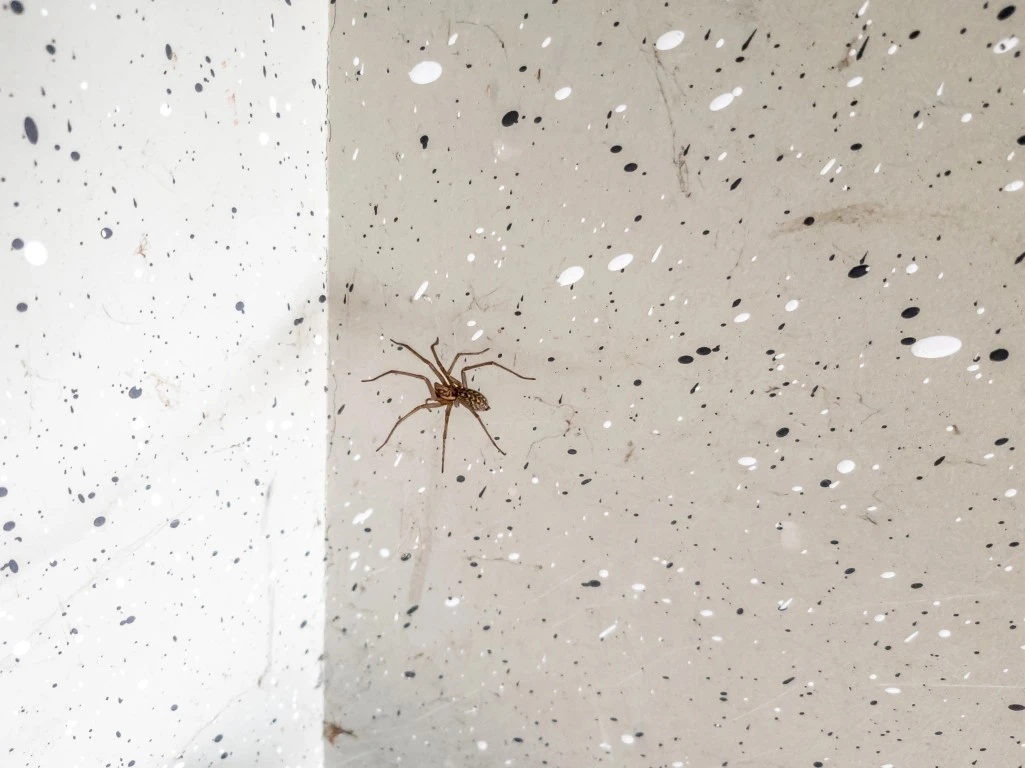
Spiders — Spiders like to hide in dark, cluttered corners in the garage and prey on smaller insects. They are dangerous because certain species are venomous. 

Flies — Flies can quickly dart into open doors or windows. They may enter your garage and lay eggs because they are attracted to the various odors. 

Mice — If you keep open food in your garage, the smells could attract mice, who will then nest in storage boxes or corners. Mice are dangerous because they tend to chew on wiring. 

How to Keep Your Garage Free From Pests

1. Seal Entry Points

Pests can squeeze through even the smallest gaps. Start by:

  • Inspecting around doors, windows, and the garage door seal. 
  • Using weatherstripping or a rubber bottom seal for your garage door. 
  • Caulking cracks in the walls, ceiling, and foundation. 
  • Installing screens on vents and windows. 
  • Covering any open vents with fine-mesh screens to prevent pests from entering. 

2. Keep Food and Trash Out

Garages often attract pests because of easy access to food sources. To prevent this:

  • Never store pet food, bird seed, or bulk pantry items in open bags.
  • Use airtight containers with heavy-duty, pest-resistant lids. 
  • Empty trash cans regularly and avoid letting garbage pile up.
  • Keep pet food and water bowls off the floor of your garage. 
Garage Pest Prevention: 7 Ways to Protect Your Belongings

3. Declutter and Organize

Pests love dark, cluttered corners where they can hide. To minimize these hidden spaces:

  • Store items in sealed plastic bins instead of cardboard boxes. 
  • Invest in garage cabinetry and shelving to keep the floor clear as much as possible.
  • Regularly sweep, mop, and wipe up spills to disrupt and prevent potential nesting spots.

4. Control Moisture

Pests like termites, silverfish, and cockroaches love damp, moist areas. Ensure you:

  • Fix leaky pipes, water heaters, and washing machines. 
  • Use a dehumidifier if your garage tends to lean on the damp side. 
  • Ensure you have proper drainage around your home’s foundation, as well as clear gutters and downspouts. 
  • Improve garage ventilation to ensure moisture doesn’t build up. This is especially important if you run your washing machine and dryer in your garage. 

5. Maintain Your Garage Door

Since your garage door is the largest opening, it lets in most of the pests that make their home in your garage. To minimize the critters that come through:

  • Replace worn or cracked weatherstripping.
  • Make sure the door closes tightly with no visible gaps. 
  • Keep it closed whenever possible, especially at night. 

6. Consider Natural Deterrents

If you want to keep pests away without having to break open the chemicals:

  • Add peppermint oil to cotton balls and place them around your garage to deter rodents.
  • Sprinkle diatomaceous earth around entry points for insect control. 
  • Plant pest-repelling herbs like lavender or rosemary near the garage. 
  • Place manual traps for rodents and insects to catch any pests that may have already found their way inside. 

7. Schedule Regular Inspections

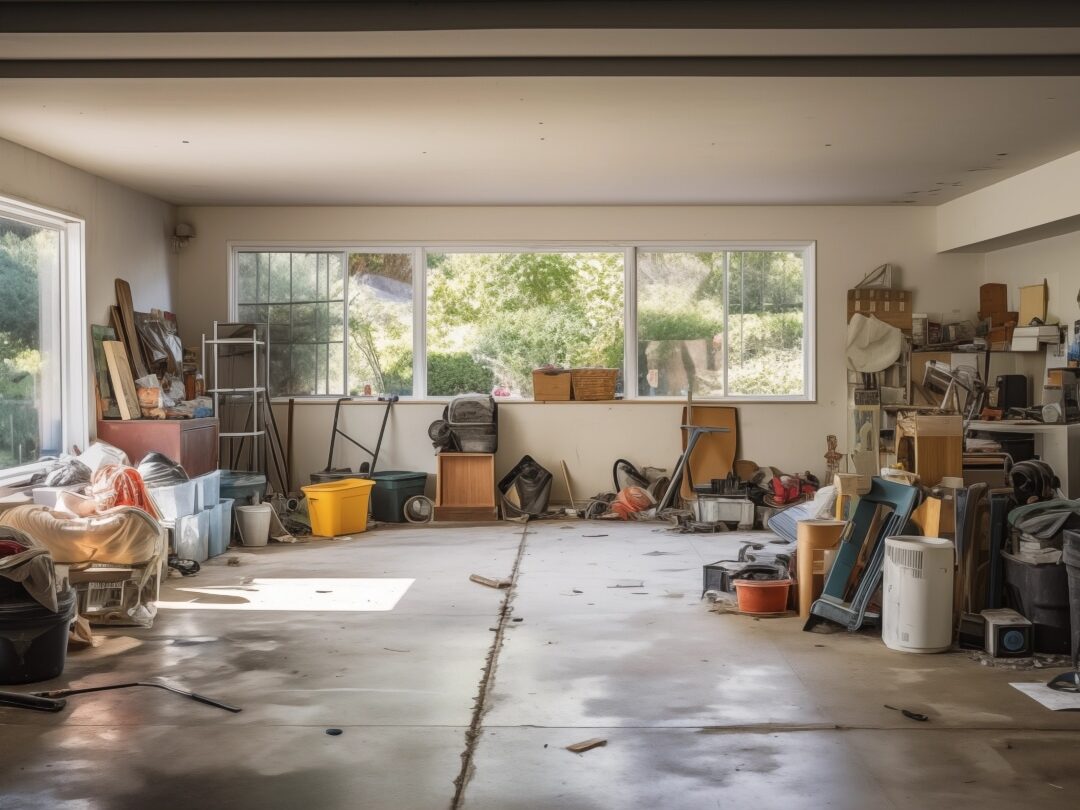
Queen Creek AZ Dirty Garage

Even after employing preventive measures, pests can still find a way in. If you have trouble controlling the number of unwanted guests:

  • Inspect your garage seasonally for dropping, chewed wires, nests, or webs.
  • Consider professional pest control if you notice signs of infestation. 

Keep Your Garage Free From Unwanted Pests 

Keeping insects, spiders, and rodents out of your garage only takes a few steps and some consistent effort. By sealing off entry points, staying on top of organization, properly storing food, and keeping moisture under control, you can create an uninviting environment for pests. A little prevention now goes a long way in protecting your belongings and keeping your garage safe and functional for years to come.

Filed Under: Garage Cabinets

How to Weatherproof Your Garage

Your garage takes on a lot throughout the year. From scorching summer heat to heavy rain, weather changes can wreak havoc on the structure and flooring. Proper weatherproofing protects your garage from moisture, mold growth, temperature fluctuations, cracking concrete, and everyday wear, helping you avoid costly repairs and extending the life of your space. Here are some tips to help you get started. 

1. Seal Cracks and Gaps 

Even the smallest gaps around your garage doors, windows, and walls can create the perfect entry point for water, pests, and drafts. Use a high-quality weatherproof caulk to seal cracks, and add weatherstripping around doors and windows to keep out moisture and cold air. 

Polyurethane caulk works best for concrete cracks, and silicone caulk works best around windows and trim. 

2. Insulate the Garage Door

Your garage door is the biggest opening to your home. Insulating it helps regulate temperature, prevent condensation, and keep out cold drafts. Insulated panels or garage door insulation kits provide an affordable and effective solution. 

However, if your door is old or worn, you may want to consider replacing it with an insulated model; this is particularly worth the investment if you have an attached garage, as it will provide comfort and energy savings.  

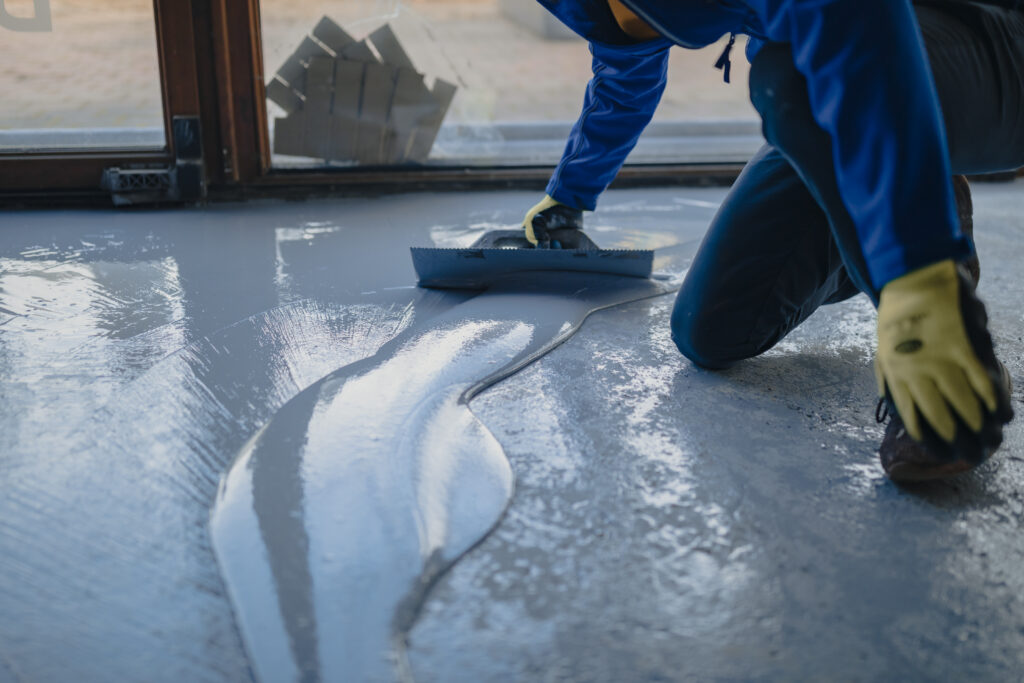
3. Apply a Floor Sealant or Epoxy

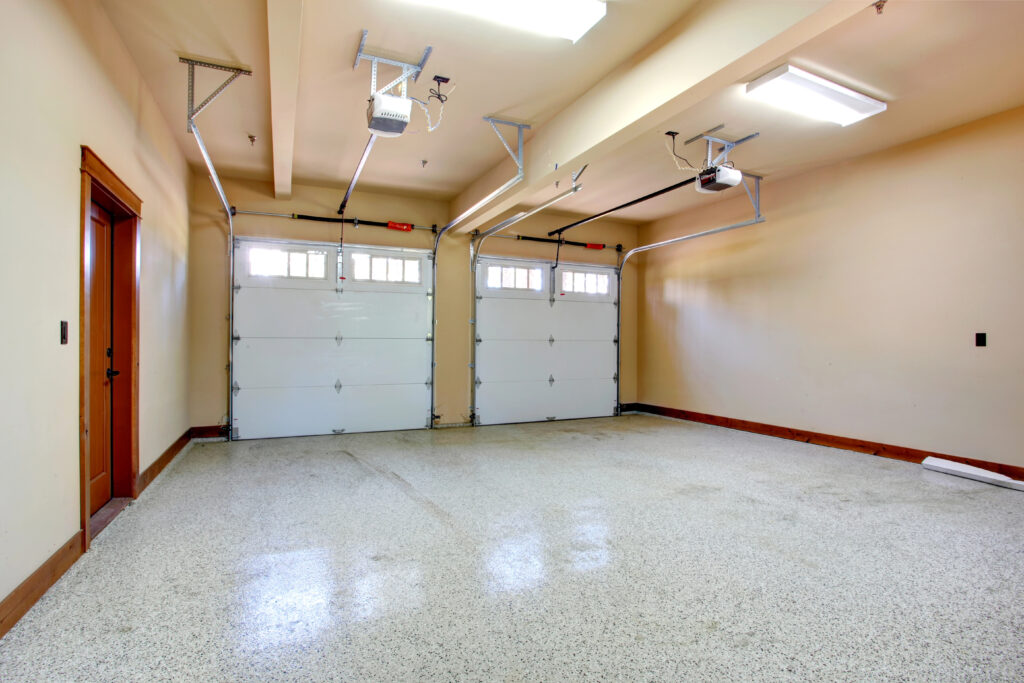
Concrete floors are porous, allowing water, salt, and chemicals to seep in and cause cracks. Applying a concrete sealant or investing in an epoxy coating allows you to create a protective barrier against moisture and stains, keeping your floor strong and easy to clean. 

Additionally, if you live in a cold climate, an epoxy floor coating will help protect your garage floor from road salt in the winter. 

How to Weatherproof Your Garage

4. Install Proper Drainage

If your garage tends to collect water, make sure the ground around it has a proper slope. Consider adding a trench drain or floor drain to remove excess moisture. Proper drainage ensures rainwater and spills don’t pool on the ground and damage the concrete over time.

In addition, make sure there’s proper ventilation in your garage to help reduce moisture buildup. A dry garage isn’t only clean — it’s safe, protecting you and your family from slips and falls. 

5. Add Garage Insulation

Insulating the walls and ceiling of your garage not only helps with energy efficiency but also prevents condensation buildup that could damage both its structure and your stored belongings. Fiberglass batts, spray foam, or rigid foam boards can all properly insulate and protect your garage.

6. Upgrade to a Weather-Resistant Garage Door Threshold

A threshold seal along the bottom of your garage door helps block rain, snow, dust, and pests by creating a tighter seal than weatherstripping alone. It also prevents water from seeping inside during heavy rainstorms. 

7. Maintain Your Gutters and Downspouts

Water runoff from clogged gutters can seep into your garage and damage both the floor and the foundation. Keep gutters clear of debris and make sure downspouts direct water away from your garage. 

8. Consider a Dehumidifier

Humidity is the biggest enemy of your garage. It can create a breeding ground for mold and mildew, as well as cause tools and vehicles to rust. Running a dehumidifier helps control moisture levels, especially in damp or rainy climates. Aim for less than 50% humidity in your garage. 

Other Weatherproofing Considerations 

Cleanliness — Keep the garage clean and dry to prevent mold and mildew. Clean up spills promptly, keep things organized, and consider shelving and cabinetry to keep items off the floor. 

Check for Leaks — Inspect your roof and garage pipes for leaks and address them promptly. In addition, if you keep your water heater in the garage, ensure it isn’t leaking and is working correctly.  

Seal Outlets and Switches — Even tiny openings around electrical outlets and switches can let in air. Seal them to prevent the majority of drafts and air leakage from coming into your garage. 

How to Weatherproof Your Garage: 8 Essential Tips

Regular Inspections — Conduct regular inspections of your garage to ensure it stays in good condition, especially if you have just experienced heavy rain. Shifting soil or seasonal expansion/contraction can create new gaps over time. Look for drafty areas or gaps that need weatherproofing again.

Protect Your Garage with Weatherproofing 

Weatherproofing your garage and garage floor doesn’t just protect your car — it helps preserve the structure, keep energy costs down, and ensure it remains a safe, usable space all year long. By stealing, insulating, and maintaining both the floor and the building itself, you can keep your garage in top shape no matter the weather.

Filed Under: Garage Cabinets

  • « Previous Page
  • 1
  • 2
  • 3
  • 4
  • 5
  • …
  • 10
  • Next Page »

Hours

Garage Solutions of Arizona

3060 W Brendon Way
Queen Creek, AZ 85144

480-992-9844
MONDAY 8:00 AM - 5:00 PM
TUESDAY 8:00 AM - 5:00 PM
WEDNESDAY 8:00 AM - 5:00 PM
THURSDAY 8:00 AM - 5:00 PM
FRIDAY 8:00 AM - 5:00 PM
SATURDAY CLOSED
SUNDAY CLOSED

Directions

Quick Menu

  • Garage Cabinets
  • Garage Shelves
  • Epoxy Garage Floor
  • About Us
    • Garage Cabinets in Mesa, AZ
    • Get a Quote
  • Contact

2026 | Garage Solutions of Arizona | All Rights Reserved | Privacy Policy | Terms | Accessibility Statement | Anti Discrimination Disclaimer | XML Sitemap | Sitemap | Site by PDM