

When it comes to fire safety, many homeowners may not think about the risks in their garage. Since this space is often used for storing belongings, completing projects, and parking your car, it can quickly become a hotspot for potential fire hazards if not properly maintained. Fortunately, by taking a few proactive steps, you can significantly reduce the chance of a fire and protect your home, family, and belongings.
Why Garage Fires Are So Dangerous
Garage fires can spread faster than many homeowners realize. According to FEMA, garage fires tend to spread farther and cause more injuries than fires started in other areas of the home.
If garages are attached to the home, a fire can spread through shared walls, ceilings, or ductwork in a matter of minutes. This makes early prevention and detection especially critical.
Common Garage Fire Hazards
Garages naturally collect items that can increase fire risk. Knowing the potential hazards you may have stored in the space is the first step toward prevention:
- Flammable liquids, like gasoline, varnish, aerosol sprays, paint thinner, and oil (including oily rags)
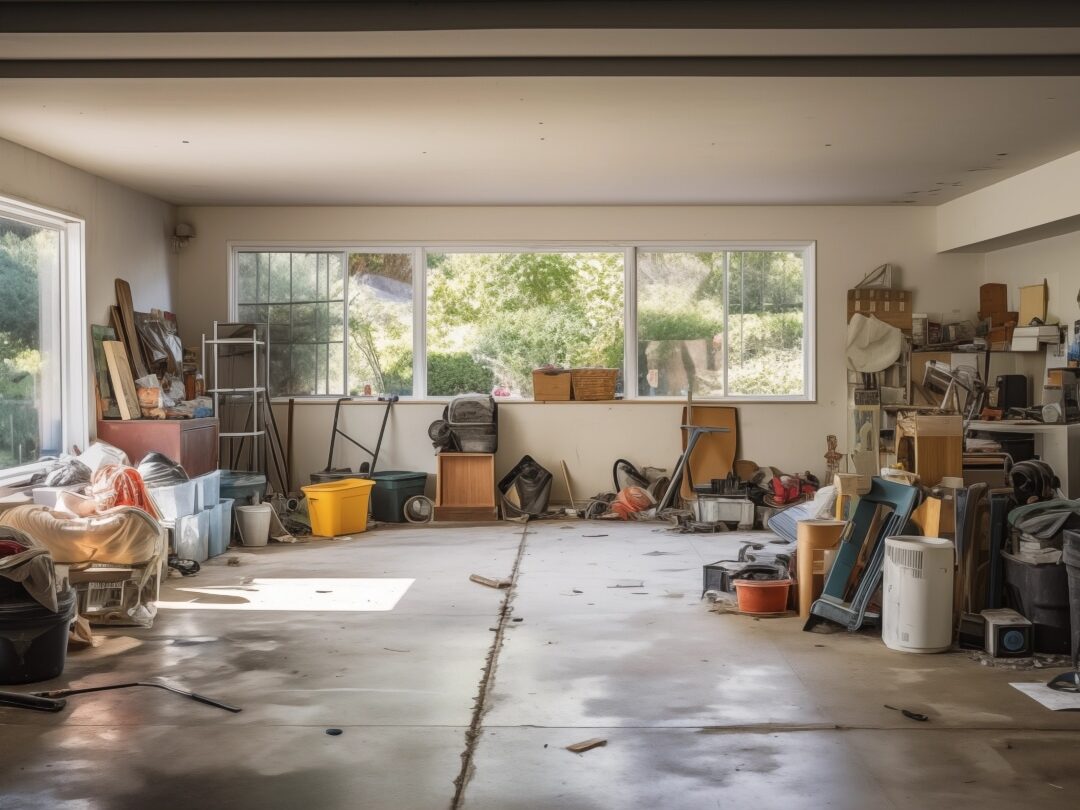
- Piles of clutter, wood, newspapers, and cardboard that can easily ignite
- Faulty wiring or overloaded outlets
- Overcharged or damaged lithium-ion batteries from tools or electronics
- Improper use of space heaters or extension cords
- Dust and debris buildup, especially around tools and equipment
Keeping these risks in mind helps you stay proactive rather than reactive.
1. Store Flammable Materials Safely
If you want to reduce fire risk, you need to store flammable materials properly. Always keep them in approved, sealed containers, away from direct sunlight and heat sources, and place them on low shelves to reduce the risk of spills. Ensure the area where you keep chemicals is well-ventilated.
If possible, consider storing these chemicals in a shed away from your home.
2. Keep Your Garage Clean and Organized
Clutter not only makes it harder to use your garage but it can also fuel a fire. A clean and organized garage reduces ignition risks and allows for quick action in an emergency.
Regularly dispose of unnecessary items, and keep important belongings in labeled bins instead of loose piles. Keep floors clear of debris and spills, and sweep up sawdust, leaves, and dust buildup.
In case of a fire, an organized space ensures you and your family can quickly access exits and find fire safety equipment.

3. Maintain Electrical Safety
Electrical issues are a leading cause of garage fires. To protect your home, avoid overloading outlets or power strips and inspect cords for fraying or damage. Additionally, use grounded outlets for heavy-duty equipment and hire a licensed electrician if you notice flickering lights, faulty wiring, or tripped breakers.
Never run extension cords under rugs or through doorways where they can become damaged, as well as cause a tripping hazard.
4. Use Heating Equipment Carefully
If you use a space heater in your garage, it’s important to follow fire safety guidelines. Keep heaters at least three feet away from flammable materials, never leave them unattended, and plug them directly into outlets (not extension cords). Consider using models with automatic shut-off features.
Improper heater use is one of the most common (but easily preventable) causes of fires.
5. Install Fire Safety Devices
Early detection can make all the difference in preventing fire disasters. Install a smoke detector in or just outside the garage, replacing the batteries regularly and testing it monthly, and keep a fire extinguisher easily accessible, ensuring your family knows how to use it.
Having the right tools in place gives you valuable time to respond.
6. Practice Safe Habits
Daily habits play a big role in fire prevention. Never leave running equipment unattended, allow tools and machinery to cool before storing, and turn off and unplug equipment when not in use. Avoid smoking and properly dispose of oily rages (store in metal containers with lids).
7. Create an Emergency Plan
Even with precautions, emergencies can still happen. Be prepared by establishing clear exit routes from your garage, keeping pathways and doors unobstructed, practicing your home fire escape plan regularly, and making sure family members know what to do in case of a fire.
Preparedness can save lives in critical moments.
The Bottom Line
Your garage doesn’t have to be a fire risk. With proper organization, safe storage practices, and attention to potential hazards, you can create a safer environment for you and your family. Take the time today to implement these fire safety tips to prevent costly damage — and potentially save lives — tomorrow.