
Your garage may not be a part of your main living space, but it plays an important role in protecting your home, vehicles, and stored belongings. Unfortunately, garages are one of the most moisture-prone areas of your house. From rainwater and leaky roofs to humidity and condensation, excess moisture can cause costly damage over time, without you even realizing it.
Understanding the importance of controlling moisture in your garage will help you prevent structural issues, protect your investments, and maintain a healthier home environment.
1. Prevents Mold and Mildew Growth
Garages often have poor ventilation and fluctuating temperatures, which work together to create the perfect environment for mold growth. When moisture builds up on walls, ceiling, or stored items like cardboard boxes and fabric, mold can begin growing in as little as 24 to 48 hours.
Mold and mildew not only damage surfaces but can also create unpleasant odors, reduce indoor air quality, and impact your family’s health, especially if your garage is attached to your home.
2. Protects Structural Integrity
Excess moisture can seep into:
- Drywall
- Wood framing
- Concrete floors
- Insulation
Over time, this can lead to:
- Wood rot
- Cracked or deteriorating concrete
- Rusted fasteners and hardware
- Foundation damage
- Sagging roofs
When you control the moisture levels, you can preserve the structural integrity of your garage and prevent expensive repairs down the road.
3. Reduces Rust and Corrosion
Garages are often home to vehicles, tools, lawn equipment, bikes, and storage systems, many of which contain metal components. High humidity levels can accelerate rust and corrosion, shortening the lifespan of your belongings.
Even small amounts of condensation can:
- Damage power tools
- Corrode garage door tracks
- Affect vehicle undercarriages
- Ruin hardware and shelving systems
Maintaining proper humidity levels helps protect these valuable investments.
4. Preserves Stored Items
Garages often become the catch-all for seasonal decor, clothing, paperwork, and other household items. Unfortunately, moisture can warp, stain, and deteriorate stored belongings.
Common moisture-related damage includes:
- Warped wood furniture
- Water-stained boxes
- Damaged electronics
- Musty-smelling fabrics
- Brittle plastics
- Cracked finishes
Using water-resistant storage solutions and keeping humidity under control can prevent these issues.
5. Improves Energy Efficiency
If your garage is attached to your home, excess moisture can impact temperature regulation. Damp air is harder to heat and cool, which can strain HVAC systems and increase energy costs.
Proper sealing, insulation, and ventilation in your garage can help create a more stable indoor environment throughout your home.
6. Minimizes Slip Hazards
Water tracked in from vehicles or minor leaks can create slippery surfaces. Standing water on concrete floors increases the risk of slips and falls. Moisture control reduces these safety hazards and keeps your garage safer for everyday use.
Common Sources of Garage Moisture
In order to prevent moisture problems in your garage, you need to know where it comes from. Common sources include:
- Rainwater entering under garage doors
- Poor drainage around the foundation
- Condensation from temperature changes
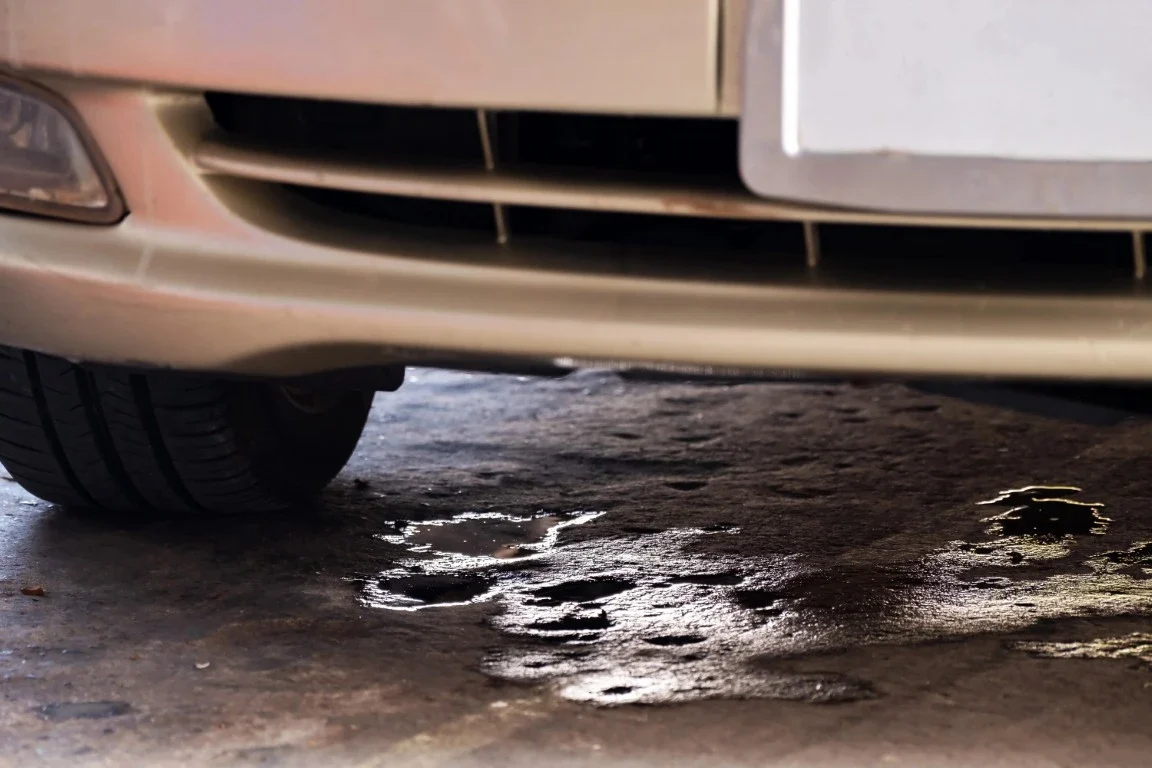
- Rain and water on vehicles
- Leaky roofs or plumbing
- High outdoor humidity
Warning Signs of Excess Moisture in the Garage
You may not always notice a moisture problem right away. Watch for these early indicators:
- Rust forming on tools or garage door tracks
- Swollen or warped cabinet doors
- Peeling paint
- Mold spots in corners or along baseboards
- Persistent damp odors
- Condensation on windows or metal surfaces
Catching these issues early can prevent expensive structural repairs later.
Simple Ways to Control Garage Moisture
To keep moisture levels under control in your garage:
Improve Ventilation — Install vents or use exhaust fans to reduce humidity buildup.
Seal cracks and Gaps — Seal foundation cracks and add weatherstripping around garage doors.
Use a Dehumidifier — In humid climates, use a garage-rated dehumidifier to significantly reduce moisture levels.
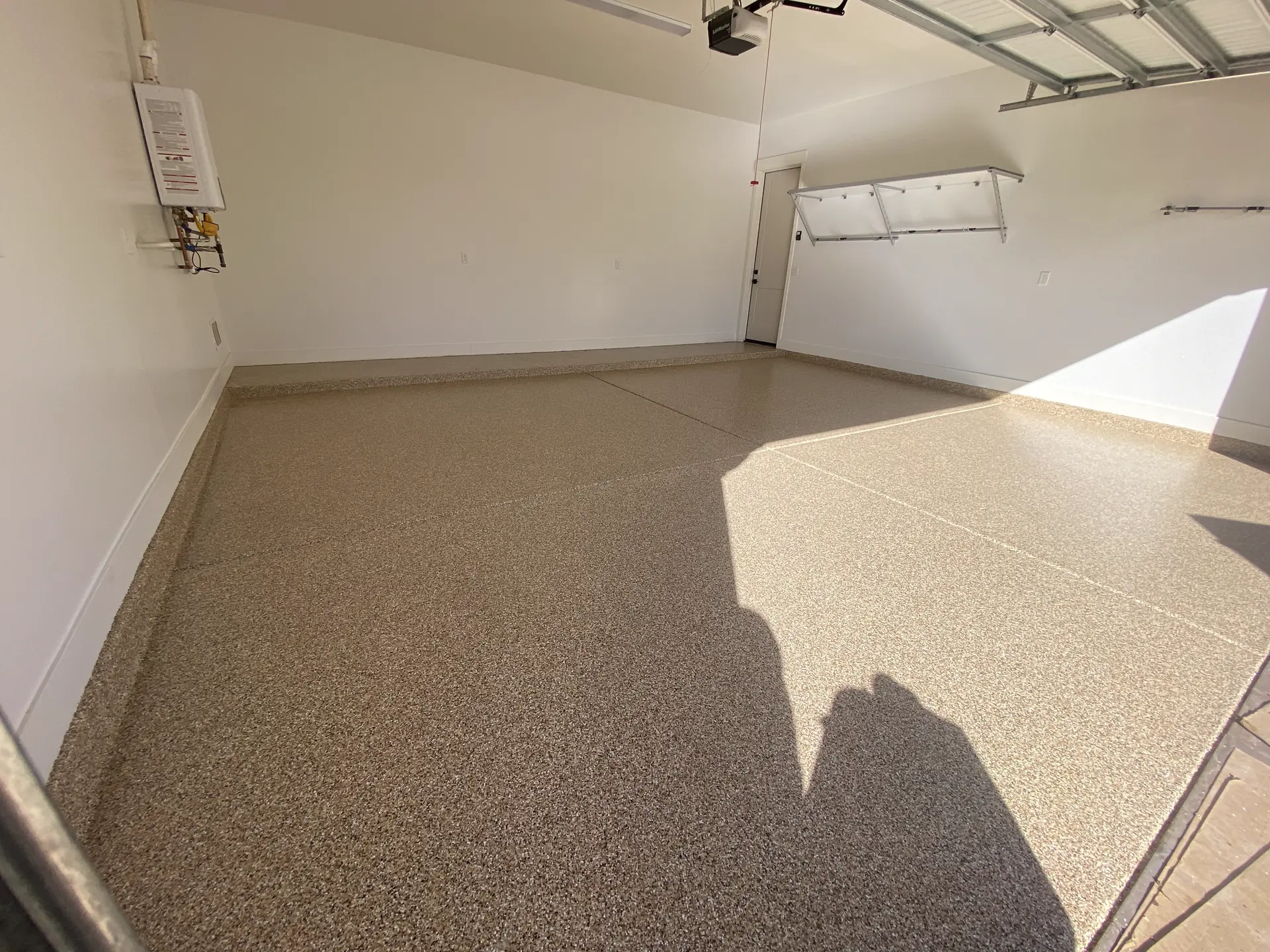
Upgrade Flooring — Invest in a sealed concrete or epoxy floor, as it can repel water instead of absorbing it.
Improve Drainage — Ensure gutters and downspouts are clear of debris and direct water away from your home’s foundation.
Install Proper Storage Systems — Use elevated shelving and water-resistant cabinets to keep items off the floor and protected.

Dry Vehicles — Wipe down wet vehicles before parking them in the garage.
Optimize Storage — Switch from cardboard boxes to airtight plastic containers to prevent water absorption.
The Bottom Line
Excess garage moisture may seem like nothing more than a minor inconvenience, but left unchecked, it can lead to mold growth, structural damage, rust, ruined belongings, and safety hazards. Taking proactive steps to manage humidity and prevent water intrusion protects your home, your family, and everything you have stored, giving you peace of mind.